Wet Tensile Tester
Model 42112
Part numbers
AFS:
- #0042112-ASM
- #0042112-ASM-220
Metric:
- #0042112-M-ASM-1
- #0042112-M-ASM
Sand casting process
Clay Bonded Sand
Specifications
Part Number: 0042112-ASM
Compressed Air: 7 bar (100 psi)
Power Requirements: 100-120 Volts, 50/60Hz
Length: 17.5" / 445mm
Width: 12.25" / 311mm
Height: 19" / 483mm
Weight: 110lb / 50kg
Part Number: 0042112-ASM-220
Compressed Air: 7 bar (100 psi)
Power Requirements: 220-240 Volts, 50/60Hz
Length: 17.5" / 445mm
Width: 12.25" / 311mm
Height: 19" / 483mm
Weight: 110lb / 50kg
Part Number: 0042112-M-ASM-1
Compressed Air: 7 bar (100 psi)
Power Requirements: 100-120 Volts, 50/60Hz
Length: 17.5" / 445mm
Width: 12.25" / 311mm
Height: 19" / 483mm
Weight: 110lb / 50kg
Part Number: 0042112-M-ASM
Compressed Air: 7 bar (100 psi)
Power Requirements: 220-240 Volts, 50/60Hz
Length: 17.5" / 445mm
Width: 12.25" / 311mm
Height: 19" / 483mm
Weight: 110lb / 50kg
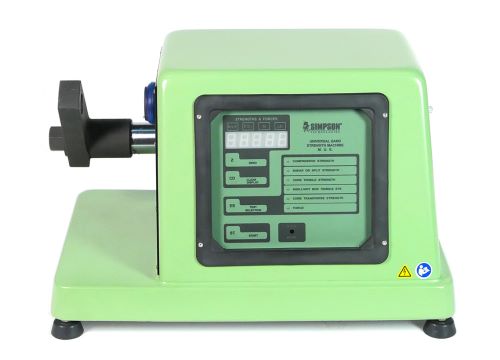
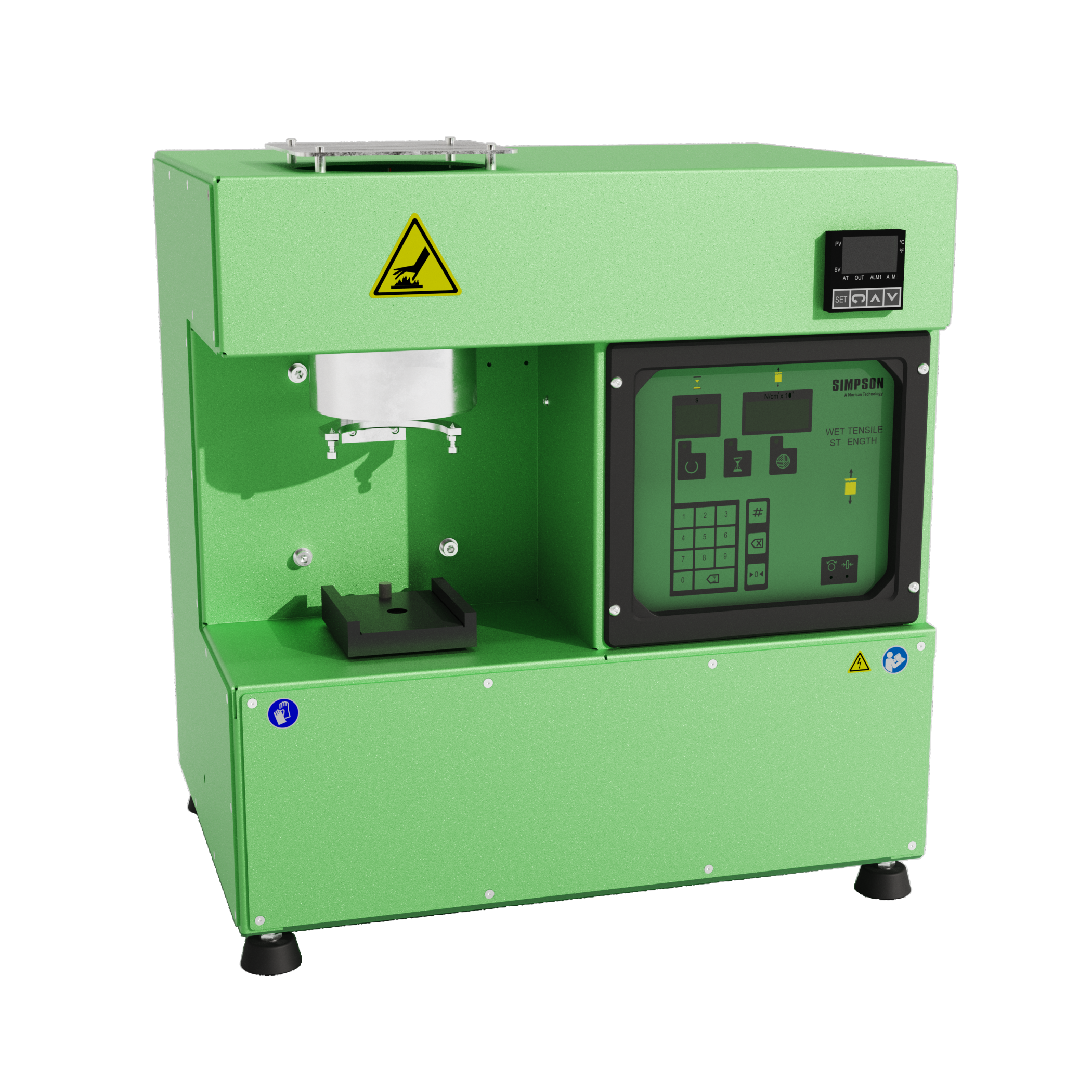
The Wet Tensile Strength Tester determines tensile strength of the condensation zone that is created in all clay bonded molds during and after pouring. The wet tensile strength is determined by pulling a detachable ring from a special specimen tube.
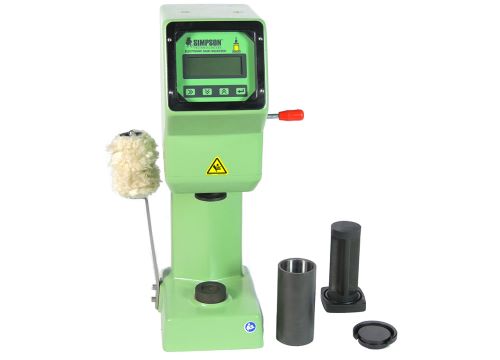
The specimen tube with the detachable ring in position is loaded with molding sand and compacted to the proper specimen height using a Sand Rammer, Model No. 42100, Pneumatic Sand Squeezer, Model No. 42117 or the Digital Pneumatic Squeezer, Model No 42160. After the start button is pressed, an elevation table raises the specimen tube. The heating plate generates steam at the sand heater interface and a temperature gradient through the sand specimen. The steam is driven away from the heating plate through the porosity of the specimen. This water vapor migrates back into the specimen to a temperature zone where it condenses.
This condensation zone is known as the wet layer. After a selected time elapses, the elevation table lowers applying a tensile load to the sand specimen. Since the wet layer is the weakest area of the specimen, when a load is applied the specimen breaks at that point. The load required to break this wet layer is the wet tensile strength. The instrument is fully automatic and displays the tensile results in an easy-to-read digital display. The Wet Tensile Strength Tester includes the specimen tube and detachable ring, pneumatic regulator/filter, pneumatic hose and connectors to connect the supplied regulator/filter to the instrument.
Key Advantages:
- Elevated temperature test allows for better control of expansion defects.
- Fully automatic and displays the tensile results in an easy-to-read digital display.
- Can be digitally calibrated by the operator with the purchase of the 42112A Alignment Master and 42112B Master Calibration Weight.
- Watch "How to videos"

Related Content