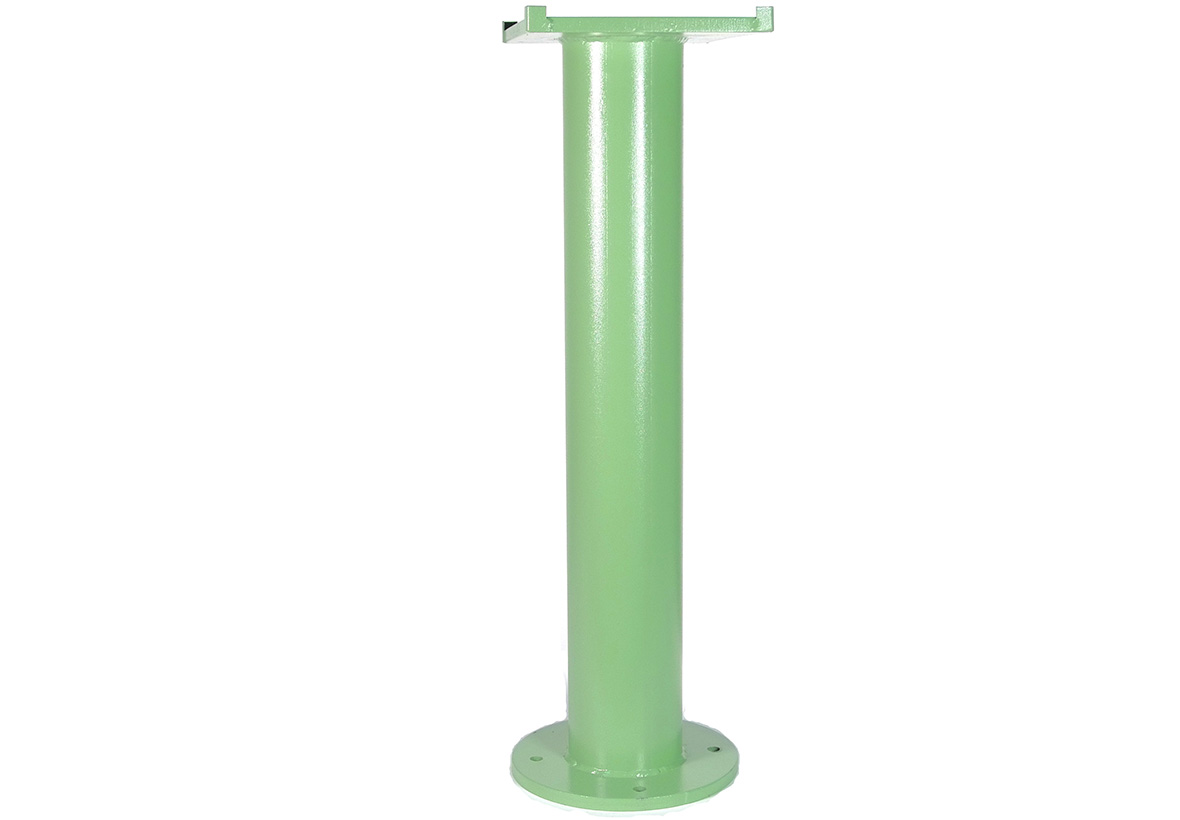
Rowell Flowability Tester

Model 42100E

Rowell Flowability Tester | SIMPSON

Part numbers

AFS: #0042100E
Metric: #0042100E-M

Sand casting process

Green Sand

Specifications

Length: 2.5" / 64mmm
Width: 2.5" / 64mm
Height: 2.5" / 64mm
Weight: 2.2lb / 1kg

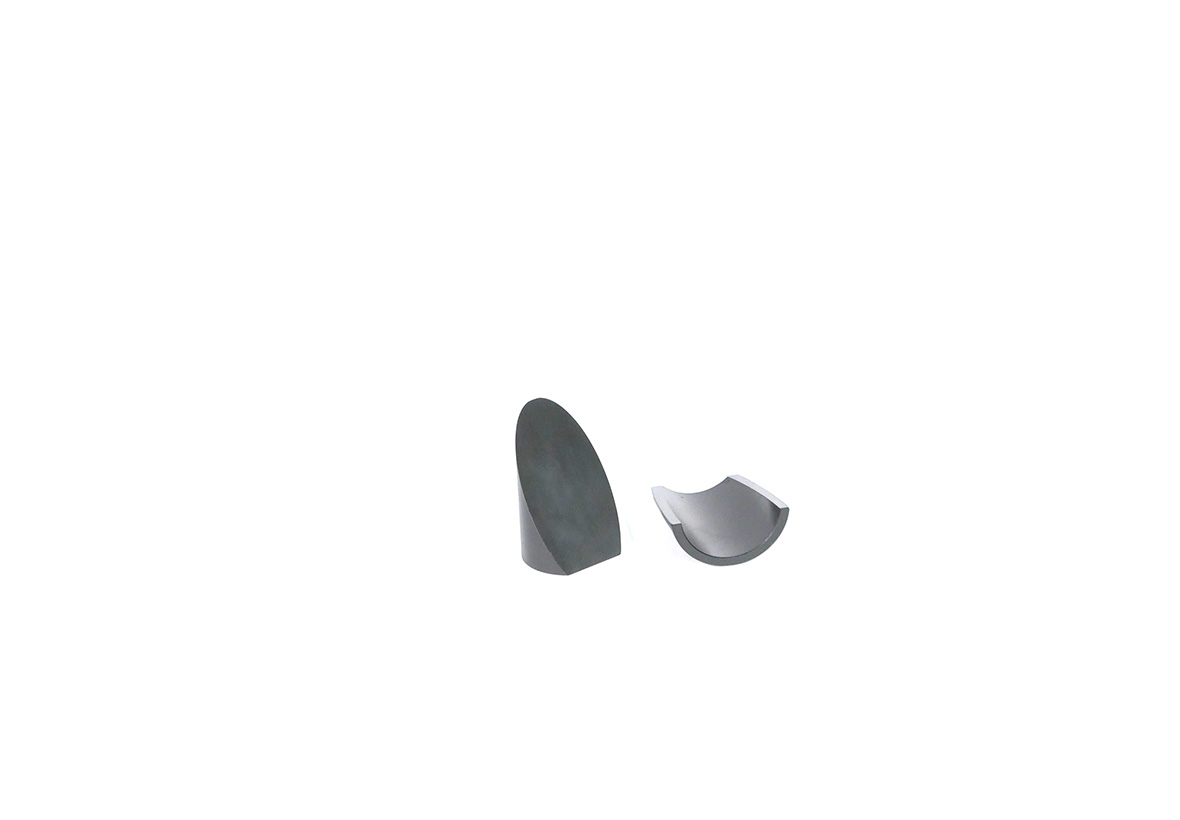
The Rowell Flowability Tester is used to determine the flowability of molding sand by testing the sands ability to tightly compact into deep pockets on pattern.

Sands that do not have adequate flowability typically result in low mold density and can be the cause of casting defects.

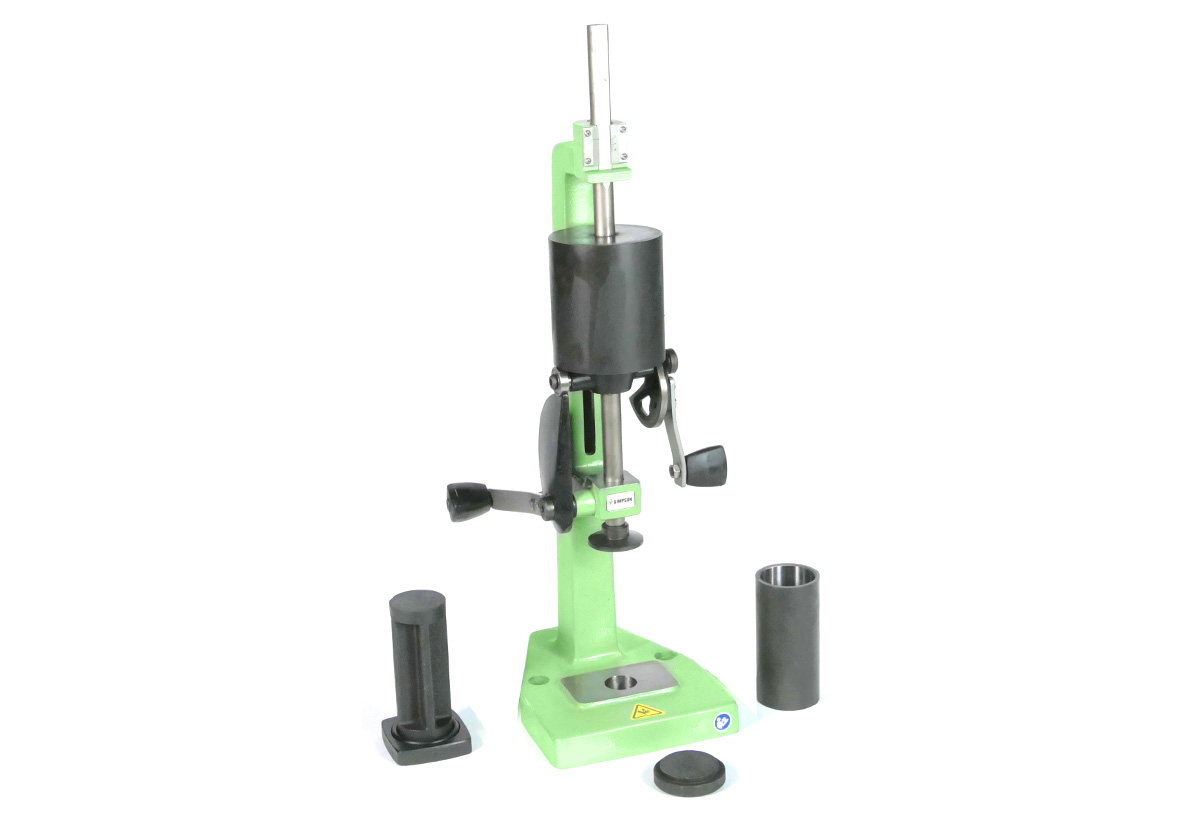
The tester is a specially designed pattern inserted into a specimen tube that is filled with sand and rammed with a Sand Rammer (Model 42100). The resulting sand specimen is then placed onto a specially designed cradle where mold hardness readings are taken at different locations on the specimen. Rowell flowability can then be calculated as the percent difference in hardness between the top and bottom of the specimen.

Components Included: Pattern and Specimen Cradle

Utilized With: Sand Rammer (Model 42100)

Need More Information?

Contact Simpson to learn more about our innovative solutions and how we can support your operation. We are here to help if you have any questions or need assistance.

Need More Information

Related Content

Sand Rammer | Model 42100 | SIMPSON

Sand Rammer - Model 42100

Used to prepare a standard AFS 2 in. x 2 in. (Metric 50 mm x 50 mm) cylindrical sand specimen for compression, shear, splitting, deformation and tensile tests.

Tube Filler Accessory | Model 42100A | SIMPSON

Tube Filler Accessory - Model 42100A

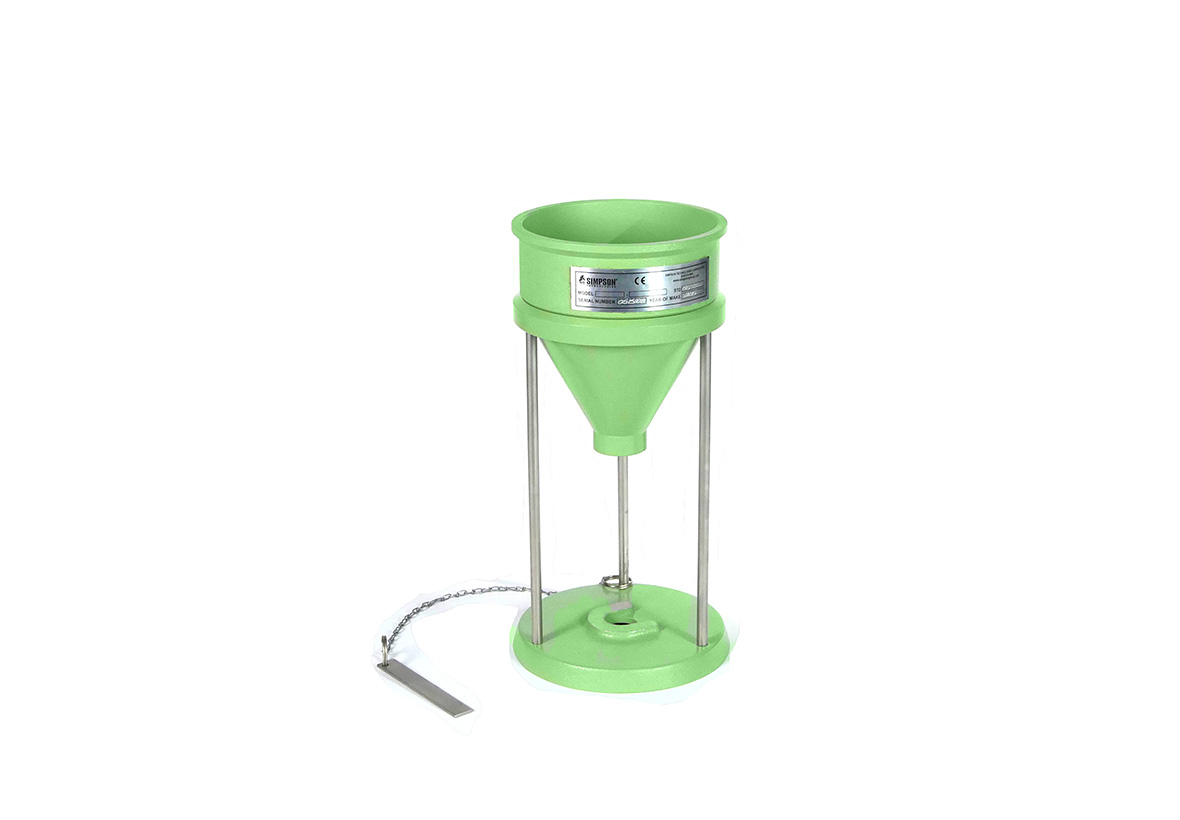
Assists in filling the specimen tube for compactability tests.

Sand Rammer Base | Model 42100C | SIMPSON

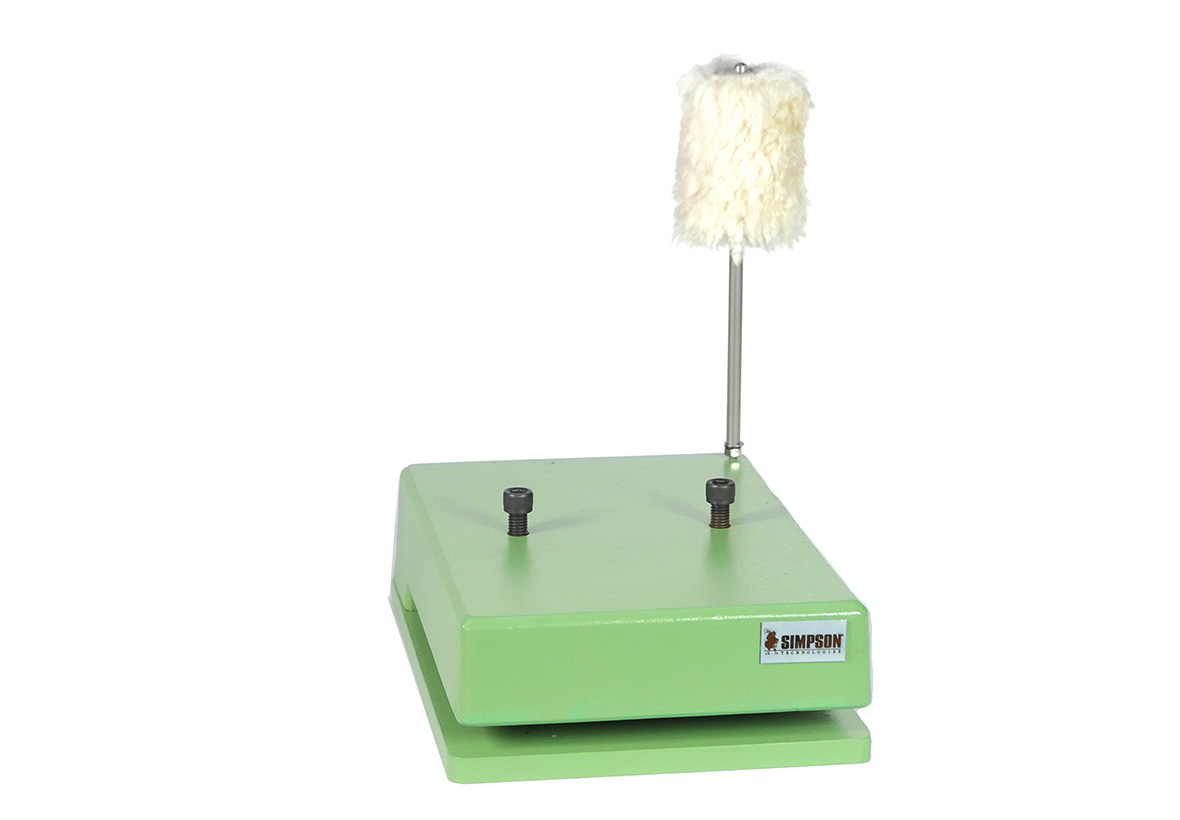
To ensure consistent and accurate readings, the Sand Rammer (Model 42100) needs to be isolated from vibration variations.

Sand Rammer Pedestal | Model 42100D | SIMPSON

Sand Rammer Pedestal - Model 42100D

The vibrations that are created when utilizing the Sand Rammer (Model 42100) can negatively affect the accuracy of test results in addition to disturbing other sensitive instruments on the same bench.